Niacinamide Serum Uses & Benefits: Why Your Skin Needs This Skincare Hero
Niacinamide serum is one of the most versatile skincare products available today. Whether you’re struggling with acne, oily skin, dark spots, or early signs of aging, niacinamide can transform your skin with consistent use.
Below, we’ll break down niacinamide serum uses, benefits by skin type, how to use it correctly, and the best niacinamide serums to buy (perfect for affiliate marketing).
Top Niacinamide Serum Benefits
1. Controls Oil Production (Best for Oily Skin)
Is niacinamide good for oily skin? Absolutely.
Niacinamide helps regulate sebum production, reducing excess shine and preventing clogged pores—without drying your skin.
✔ Less oil
✔ Fewer breakouts
✔ Matte, balanced skin
2. Minimizes the Appearance of Pores
With regular use, niacinamide helps keep pores clean and tight, making your skin look smoother and more refined.
✔ Refines large pores
✔ Improves skin texture
✔ Creates a polished look
3. Treats Acne & Fades Acne Marks
Niacinamide serum uses for acne are well-researched. It reduces inflammation, calms active breakouts, and fades acne scars and dark spots over time.
✔ Reduces redness
✔ Clears acne
✔ Lightens acne scars
👉 Pro tip: Combine niacinamide with salicylic acid for stubborn acne (use at different times of day).
4. Strengthens the Skin Barrier (Perfect for Dry & Sensitive Skin)
One of the most important niacinamide serum uses is barrier repair. It helps your skin retain moisture and protects against environmental damage.
✔ Prevents dryness
✔ Reduces flaking
✔ Improves skin resilience
5. Brightens Skin & Evens Tone
Niacinamide blocks excess pigment transfer, making it highly effective for hyperpigmentation and dull skin.
✔ Reduces dark spots
✔ Improves uneven tone
✔ Boosts natural glow
Niacinamide Serum Uses by Skin Type
Oily & Acne-Prone Skin
Controls oil, prevents breakouts, and fades acne scars
Dry Skin
Repairs the moisture barrier
Reduces dryness and irritation
Sensitive Skin
Calms redness
Soothes inflammation
Well-tolerated by most skin types
Hyperpigmentation & Dark Spots
Lightens sun damage
Improves uneven skin tone
How to Use Niacinamide Serum (Day or Night?)
Niacinamide serum can be used both morning and night.
Step-by-Step Routine
-
Cleanse your face
-
Tone (optional)
-
Apply 2–3 drops of niacinamide serum
-
Moisturize
-
Sunscreen (AM only)
What Is Niacinamide?
Niacinamide, also known as vitamin B3 (nicotinamide), is a water-soluble vitamin that works topically to support skin health. It’s a versatile, well-tolerated ingredient that functions at the cellular level to improve multiple aspects of skin appearance and resilience. Unlike some active ingredients, niacinamide is remarkably stable and compatible with most other skincare components.
How Long Does Niacinamide Take to Work?
1–2 weeks: Reduced oil & calmer skin
3–4 weeks: Fewer breakouts & smoother texture
5–8 weeks: Brighter skin & faded dark spots
3 months: Smaller pores & improved fine lines
👉 Consistency is key for results.
Is Niacinamide Safe? (Side Effects)
Niacinamide is generally safe for all skin types.
Some people may experience mild redness or tingling—usually from high concentrations (10%+).
✔ Start with 5% if you’re a beginner
✔ Always patch test new products
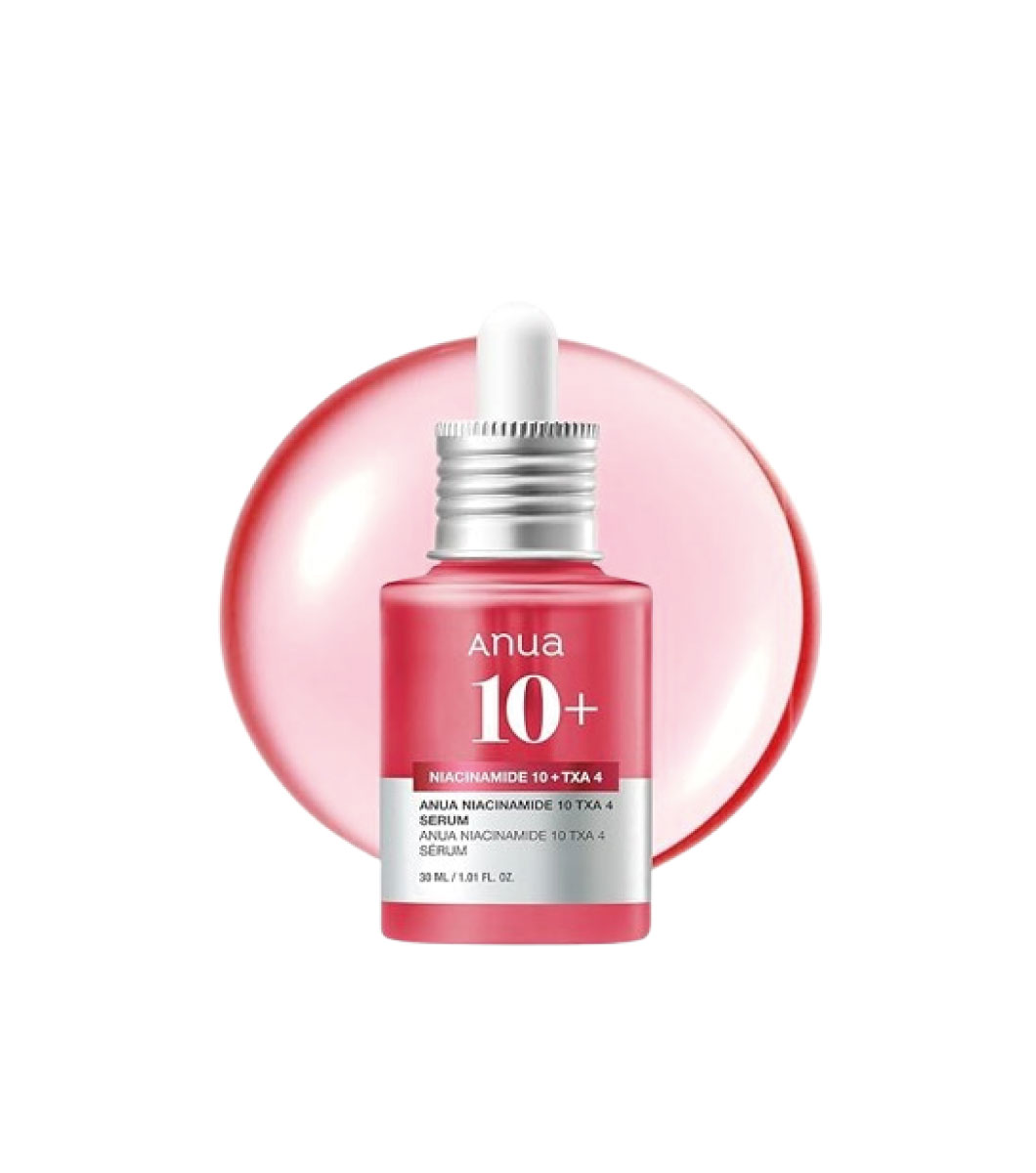
Best Niacinamide Serums (Affiliate Picks)
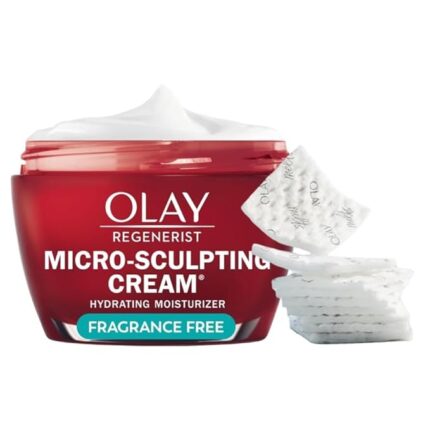
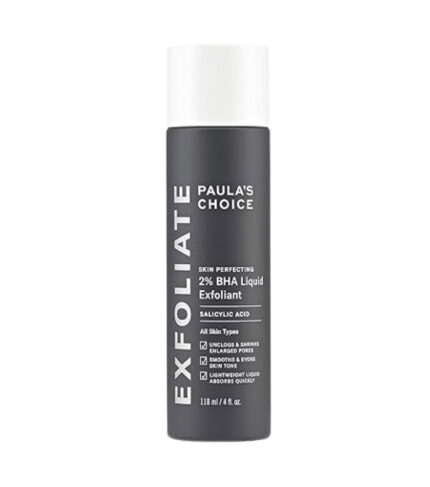
Top Recommended Products : niacinamide serum uses
The Ordinary Niacinamide 10% + Zinc 1% – Best for oily & acne-prone skin
Paula’s Choice 10% Niacinamide Booster – Premium results
Minimalist Niacinamide 10% Serum – Great value
Good Molecules Niacinamide Serum—Gentle & beginner-friendly
Beauty of Joseon Glow Serum – Niacinamide + propolis for glow
How to Choose the Best Niacinamide Serum
✔ Transparent concentration (5–10%)
✔ Trusted brand
✔ Minimal fragrance
✔ Added ingredients like zinc or hyaluronic acid
For extra brightening, gluta niacinamide serums combine niacinamide with glutathione for enhanced glow.
Oil Control & Pore Refinement :niacinamide serum uses
Niacinamide helps regulate sebum production in the skin’s oil glands, making it beneficial for those with oily or combination skin types. By normalizing oil flow rather than completely stripping it, it can reduce shine throughout the day and minimize the appearance of enlarged pores over time. This balanced approach helps prevent the clogged pores that lead to breakouts.
Skin Barrier Repair & Strengthening : niacinamide serum uses
The skin barrier is your first line of defense against environmental stressors, irritants, and moisture loss. Niacinamide boosts the production of ceramides, fatty acids, and other key components of the skin’s protective barrier. A stronger barrier means:
Better hydration retention
Reduced sensitivity and reactivity
Improved resilience against pollution and irritants
Less trans-epidermal water loss
Final Verdict: Is Niacinamide Worth It? niacinamide serum uses
Absolutely. Niacinamide serum is a multitasking skincare ingredient that works for nearly everyone—teens to mature skin, oily to dry.
✔ Acne control
✔ Brighter skin
✔ Smaller pores
✔ Stronger skin barrier
👉 Add niacinamide serum to your daily routine and stick with it—your skin will thank you.
Understanding Niacinamide Serum: Benefits and Uses for Your Skin
Niacinamide, a form of vitamin B3, is a versatile and well-researched skincare ingredient celebrated for its wide range of benefits. It’s suitable for almost all skin types and addresses numerous concerns, making it a staple in many skincare routines.
What are the benefits of niacinamide for skin?
This powerhouse ingredient offers multitasking benefits: niacinamide serum uses
Strengthens the Skin Barrier: It helps your skin produce more ceramides (natural lipids), reinforcing its protective barrier. This leads to better hydration and resilience against irritants.
Minimizes Pores: By regulating oil production and improving skin elasticity, niacinamide can make enlarged pores appear smaller over time.
Reduces Redness and Inflammation: Its anti-inflammatory properties help calm conditions like acne, rosacea, and general skin sensitivity.
Evens Skin Tone: It inhibits the transfer of pigment to skin cells, effectively fading dark spots, post-acne marks (hyperpigmentation), and sun spots for a more uniform complexion. niacinamide serum uses
Controls Sebum (Oil): For oily skin types, it helps regulate oil production without over-drying the skin.
Provides Antioxidant Protection: It protects against environmental damage by combating free radicals from UV exposure and pollution, which contribute to premature aging.
How to Use Niacinamide Serum
For best results, incorporate it correctly into your routine:
-
Application Order: Apply after cleansing and toning, but before heavier moisturizers and oils.
-
Amount: Use a small amount (typically 2-3 drops) for the entire face.
-
Technique: Gently pat and press the serum onto damp skin. This can help with absorption.
-
Frequency: It is generally gentle enough for daily use, both morning and night.
-
Pairing: Niacinamide is highly compatible with most ingredients, including peptides, hyaluronic acid, and most antioxidants. It can be used in the same routine as retinoids or vitamin C, though sensitive skin may prefer to apply them at different times (e.g., vitamin C in the AM, niacinamide in the PM).
Is Niacinamide Good for Acne?
Yes, niacinamide is an excellent supportive ingredient for acne-prone skin. Its benefits are twofold:
Anti-inflammatory: It directly soothes the redness and swelling associated with acne pimples.
Oil Regulation: By controlling excess sebum production—a key factor in clogged pores—it helps prevent future breakouts.
While it is not typically a standalone “spot treatment” like some other ingredients, its holistic action makes it a valuable part of a long-term acne management routine.
Salicylic Acid: A Targeted Approach for Acne
While niacinamide offers broad support, salicylic acid is a targeted treatment specifically formulated to tackle acne at its source.
How Does Salicylic Acid Work? niacinamide serum uses
Salicylic acid is a beta-hydroxy acid (BHA) with a unique oil-soluble structure. This allows it to:
-
Exfoliate Inside Pores: It penetrates into the sebum-filled pores, dissolving the mix of dead skin cells and excess oil that cause clogs (comedones).
-
Break Down Blackheads and Whiteheads: By clearing these clogs, it treats and prevents non-inflammatory acne.
-
Reduce Inflammation: As it clears blockages and reduces bacteria, the overall inflammation and size of pimples decrease.
-
Promote Cell Turnover: It encourages the shedding of dead skin cells on the surface, preventing them from accumulating and clogging pores again.
Key Differences at a Glance
| Feature | Niacinamide | Salicylic Acid |
|---|---|---|
| Primary Role | Multi-tasking restorative ingredient | Targeted acne-fighting treatment |
| Acne Action | Reduces inflammation & regulates oil | Unclogs pores & exfoliates |
| Best For | Barrier health, redness, pigmentation, preventive care | Clearing existing blackheads, whiteheads, and pimples |
| Skin Type | All types, including sensitive | Oily, combination, & acne-prone |
How to Use Them Together
These ingredients can be a highly effective combination for acne-prone skin, addressing the issue from multiple angles.
A Balanced Routine: Use a salicylic acid cleanser or targeted treatment to directly unclog pores. Follow with a niacinamide serum to soothe inflammation, regulate oil, and strengthen the skin barrier against future irritation.
Sensitivity Caution: If you have sensitive skin, introduce them separately and avoid applying high-strength treatments of both at the exact same time to minimize potential irritation. Using salicylic acid in a wash-off cleanser is a gentle way to pair them.
Reviews
There are no reviews yet.